
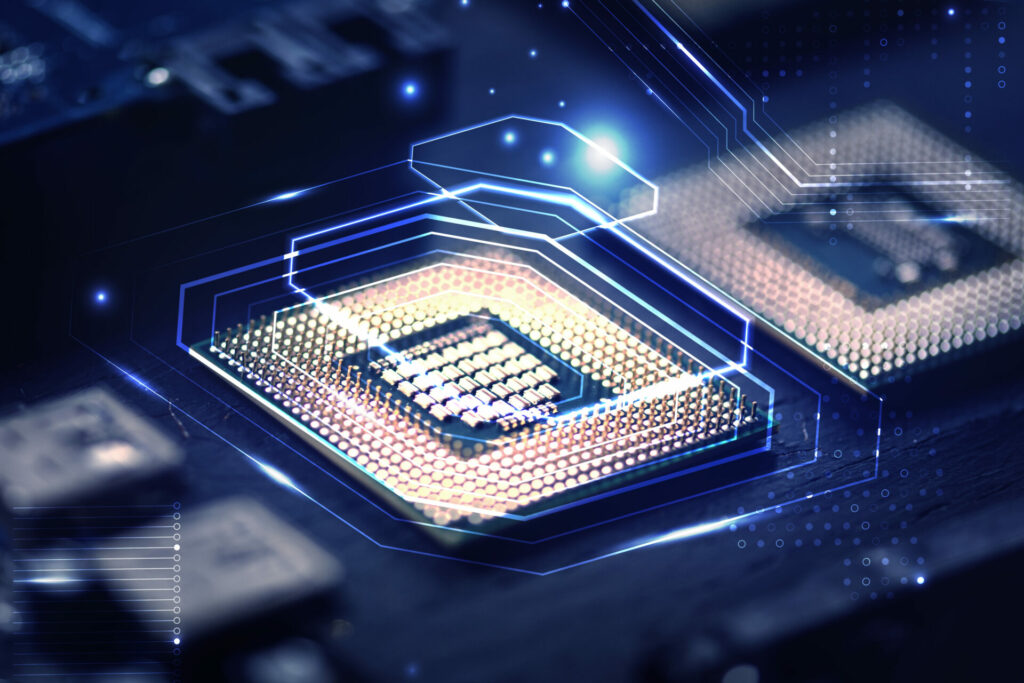
The Internet of Things (IoT) has swiftly become an integral aspect of modern life, with billions of interconnected devices employed across a wide range of applications, from smart home automation to industrial monitoring and automation systems. In order to ensure the optimal performance of these devices, components such as embedded memory solutions must be carefully considered and implemented.
Nexus, specialising in memory products designed for customers who require more comprehensive solutions than standard commercial memory offerings, presents an ideal partner for those seeking embedded memory solutions tailored to serve IoT devices.
As IoT devices continue to proliferate in both consumer and industrial applications, the demand for reliable, high-performance, and secure memory solutions grows apace. Nexus addresses these increased requirements through their embedded memory products, specifically tailored to the unique challenges posed by IoT applications.
These memory solutions offer exceptional performance, reliability, and security, ensuring that data storage needs are not only met but exceeded in the dynamic landscape of IoT implementations.
In this comprehensive guide, we will delve into the world of embedded memory solutions for IoT devices, highlighting the inherent challenges and needs associated with IoT applications. We will examine how Nexus’s bespoke embedded memory solutions can help overcome these hurdles, ensuring the optimal performance, reliability, and security of IoT devices.
Furthermore, we will explore the diverse IoT applications that can benefit from partnering with Nexus to develop the embedded memory solutions necessary for sustained success.
Discover the advantages of Nexus’s embedded memory solutions for IoT devices and unlock the potential of your devices to deliver exceptional performance, reliability, and security in an ever-evolving technological landscape.
Addressing the Unique Challenges in IoT Memory Solutions
IoT devices encompass a broad range of applications, each with their distinct set of requirements and challenges when it comes to embedded memory solutions. These challenges often involve factors such as reliability, performance, data security, and power consumption. Nexus is uniquely positioned to help address these concerns with their innovative embedded memory solutions.
- Reliability: IoT devices frequently operate for extended periods without human intervention, making it imperative to ensure the highest level of reliability in both hardware and software aspects of embedded memory solutions.
- Performance: The performance of embedded memory solutions can have a direct impact on the user experience of IoT devices. Nexus’s offerings are designed to provide not just increased storage capacity, but also faster access to vital data.
- Data Security: With cybersecurity threats on the rise, IoT devices need robust security measures in place to safeguard stored data. Nexus’s embedded memory solutions incorporate advanced security features to protect sensitive information and maintain the integrity of IoT applications.
- Power Consumption: IoT devices often operate on limited power sources or batteries, making it crucial for embedded memory solutions to have low power consumption while maintaining high performance.
Driving IoT Device Performance with Nexus’s Solutions
One of the core benefits of using Nexus’s embedded memory solutions lies in their ability to enhance the performance of IoT devices. By employing state-of-the-art memory technologies, Nexus ensures that IoT applications can perform at optimal levels and meet the varying demands of users and industries.
- Increased Storage Capacity: IoT devices constantly generate and process vast amounts of data, making it essential for embedded memory solutions to offer ample storage capacity. Nexus provides solutions with large storage capacities, ensuring IoT devices can handle the ever-growing volumes of data generated.
- Faster Access Times: Nexus’s embedded memory products ensure IoT devices can access crucial data efficiently, thereby supporting faster decision-making and reaction times for mission-critical applications in industries such as healthcare, transportation, and energy management.
- Efficient Data Transfers: The rapid transfer of data between IoT devices is a vital aspect of maintaining efficient operations. Nexus’s solutions enable quick and secure data transfers, making them an ideal choice for IoT applications.
Ensuring Security and Data Integrity with Nexus
Data security is a crucial concern for IoT applications, especially given the sensitive nature of much of the data generated and processed by IoT devices. Nexus’s embedded memory solutions offer an array of advanced security features that protect the integrity of data and ensure the overall safety and security of IoT devices and their users.
- Encryption Technologies: Nexus’s solutions employ advanced encryption technologies to protect data from unauthorized access, ensuring that crucial information remains safe and secure even in the event of a cyber attack.
- Software and Firmware Security: In addition to providing robust hardware solutions, Nexus also offers software and firmware security features that prevent unauthorized modification and exploitation, safeguarding IoT devices at multiple levels.
- Addressing Industry-Specific Security Requirements: Nexus acknowledges the varying security demands of different industries and customises its embedded memory solutions accordingly. This allows the specific requirements for data security and integrity to be met, optimally protecting sensitive information across diverse IoT applications.
Tailoring Embedded Memory Solutions for Diverse IoT Applications
Nexus’s expertise in developing custom memory solutions allows them to accommodate the unique needs of different IoT applications, providing bespoke embedded memory solutions tailored to the specific demands of each device or industry.
- Smart Buildings and Home Automation: Embedded memory solutions for these applications must offer low power consumption, secure data storage, and seamless integration with other IoT devices. Nexus’s customised solutions meet these demands, ensuring smart buildings and home automation systems can operate efficiently and safely.
- Industrial Automation and Monitoring: These applications require rugged designs, resistance to extreme temperatures, and high reliability, all of which are fulfilled by Nexus’s specialised embedded memory products.
- Connected Healthcare Devices: Nexus’s embedded memory solutions for healthcare IoT devices ensure top-tier performance, security, and reliability, safeguarding crucial patient data and improving health outcomes.
Unlocking the Potential of IoT Devices with Nexus
Nexus’s embedded memory solutions offer a robust and versatile option for addressing the unique and demanding challenges of IoT applications. Through their dedication to developing customised, high-performance, and secure memory solutions, Nexus is poised to help drive the continued success and growth of the IoT ecosystem.
Are you an IoT device manufacturer looking to improve the performance, reliability, and security of your products? Partner with Nexus for cutting-edge embedded memory solutions! Our state-of-the-art technology and expert team can help you fully realize the potential of the rapidly evolving Internet of Things landscape, delivering exceptional performance and security to your customers. Contact us today to learn more about how our embedded memory solutions can help take your IoT devices to the next level and exceed your customers’ expectations.